
A quick look at our composite review score shows two weak spots in the Mate 80 Pro’s armor. The first is the chipset — definitely not on par with modern flagships, at least in synthetic benchmarks. And then we have the software updates situation. On the other hand, the camera, battery and charging, and display performance are all very strong.
Huawei Mate 80 Pro Specs
Chipset lagging behind
Let’s start with an overview of the Huawei Mate 80 Pro specs:
|
|
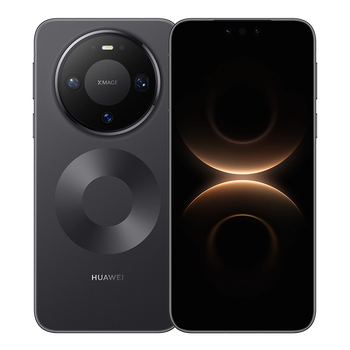
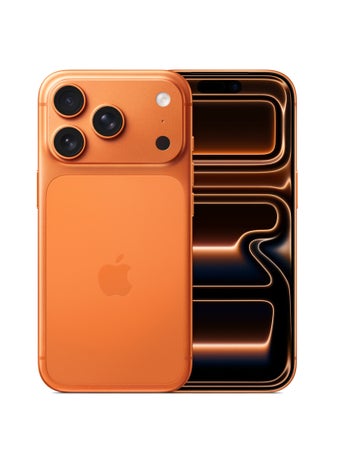
| Huawei Mate 80 Pro | Apple iPhone 17 Pro Max |
| Dimensions | |
|---|---|
| 161.9 x 76 x 8 (~13.3 mm with camera bump) | 163.4 x 78.0 x 8.75 mm (~9.9 mm with camera bump) |
| Weight | |
| 219.0 g | 233.0 g |
| Size | |
|---|---|
| 6.8-inch | 6.9-inch |
| Type | |
| OLED, 120Hz | OLED, Variable 1-120Hz |
| System chip | |
|---|---|
| Kirin 9030 Pro (6 nm) | Apple A19 Pro (3 nm) |
| Memory | |
| 16GB/512GB | 12GB/256GB 12GB/512GB 12GB/1TB 12GB/2TB |
| Type | |
|---|---|
| 5750 mAh | 5088 mAh |
| Charge speed | |
| Wired: 100.0W Wireless: 80.0W |
Wired: 40.0W Wireless: 25.0W |
| Main camera | |
|---|---|
| 50 MP (OIS, PDAF) Aperture size: F1.4/F4.0 Focal length: 24 mm |
48 MP (Sensor-shift OIS, PDAF) Aperture size: F1.8 Focal length: 24 mm Sensor size: 1/1.28″ Pixel size: 1.22 μm |
| Second camera | |
| 40 MP (Ultra-wide) Aperture size: F2.2 Focal Length: 13 mm |
48 MP (Ultra-wide, Sensor-shift OIS) Aperture size: F2.2 Focal Length: 13 mm Sensor size: 1/2.55″ Pixel size: 0.7 μm |
| Third camera | |
| 48 MP (Telephoto) Optical zoom: 4.0x Aperture size: F2.1 Focal Length: 93 mm |
48 MP (Telephoto, Periscope, OIS, PDAF) Optical zoom: 4.0x Aperture size: F2.8 Focal Length: 100 mm Sensor size: 1/2.55″ Pixel size: 0.7 μm |
| Front | |
| 13 MP | 18 MP (Time-of-Flight (ToF), Autofocus, HDR) |
Huawei Mate 80 Pro vs Apple iPhone 17 Pro Max specs comparison
or compare them to other phones using our
Phone Comparison tool
Huawei Mate 80 Pro Design and Display
Modern flat
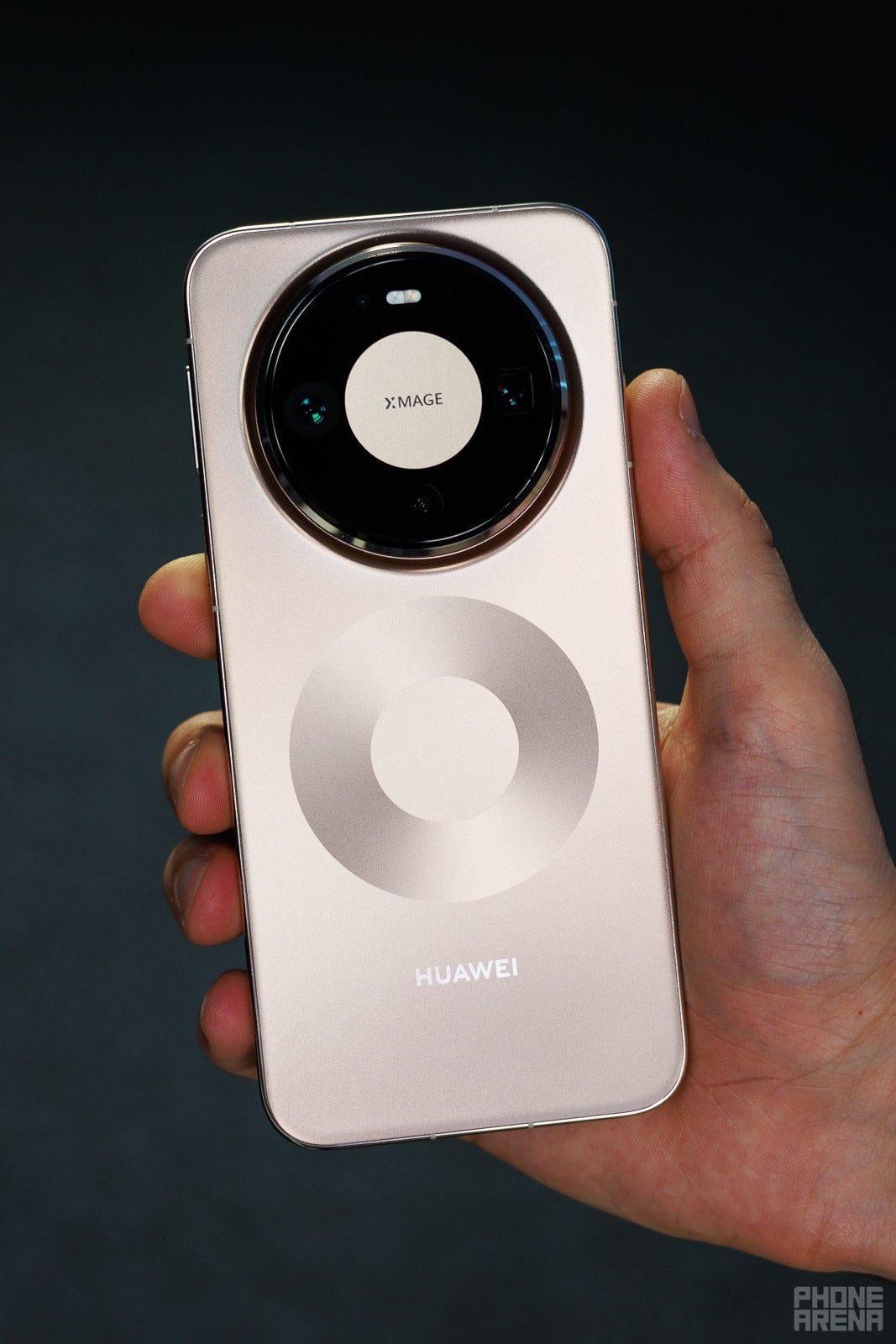
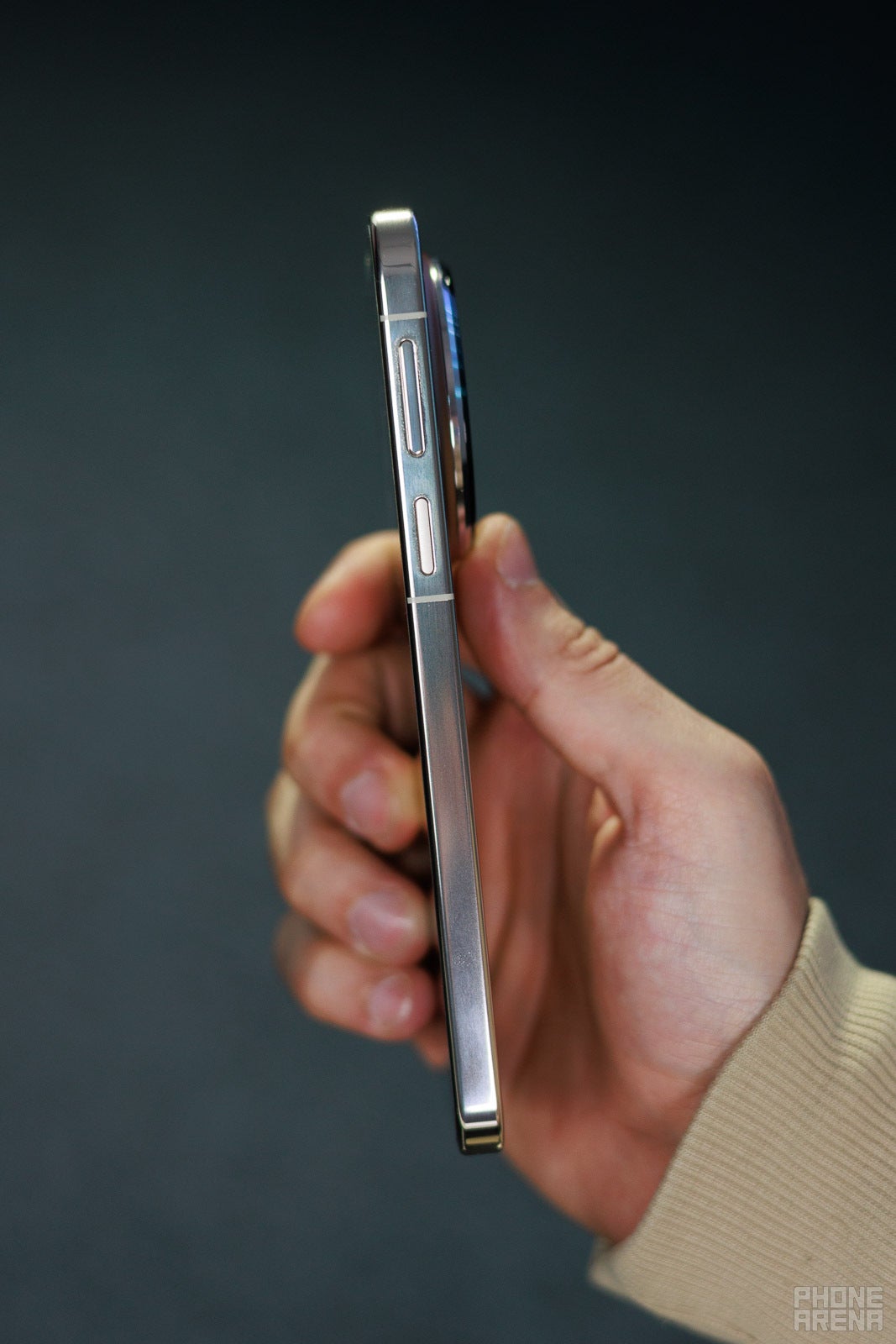
The phone has an aluminum frame, but it feels like stainless steel to the touch, probably due to the glossy finish. The back is glass-fiber-reinforced plastic, but it doesn’t feel cheap or low-quality. The display is protected by Huawei’s proprietary Kunlun Glass 2, and there are two cameras on the front with a ToF sensor between them, giving the Huawei Mate 80 Pro quite a distinct look.
The camera bump is substantial and circular in shape, housing the usual suspects — a wide-angle main camera, an ultrawide, and a periscope telephoto. There’s a two-tone LED flash and some sensors as well, all positioned in a black ring around the XMAGE logo in the center.
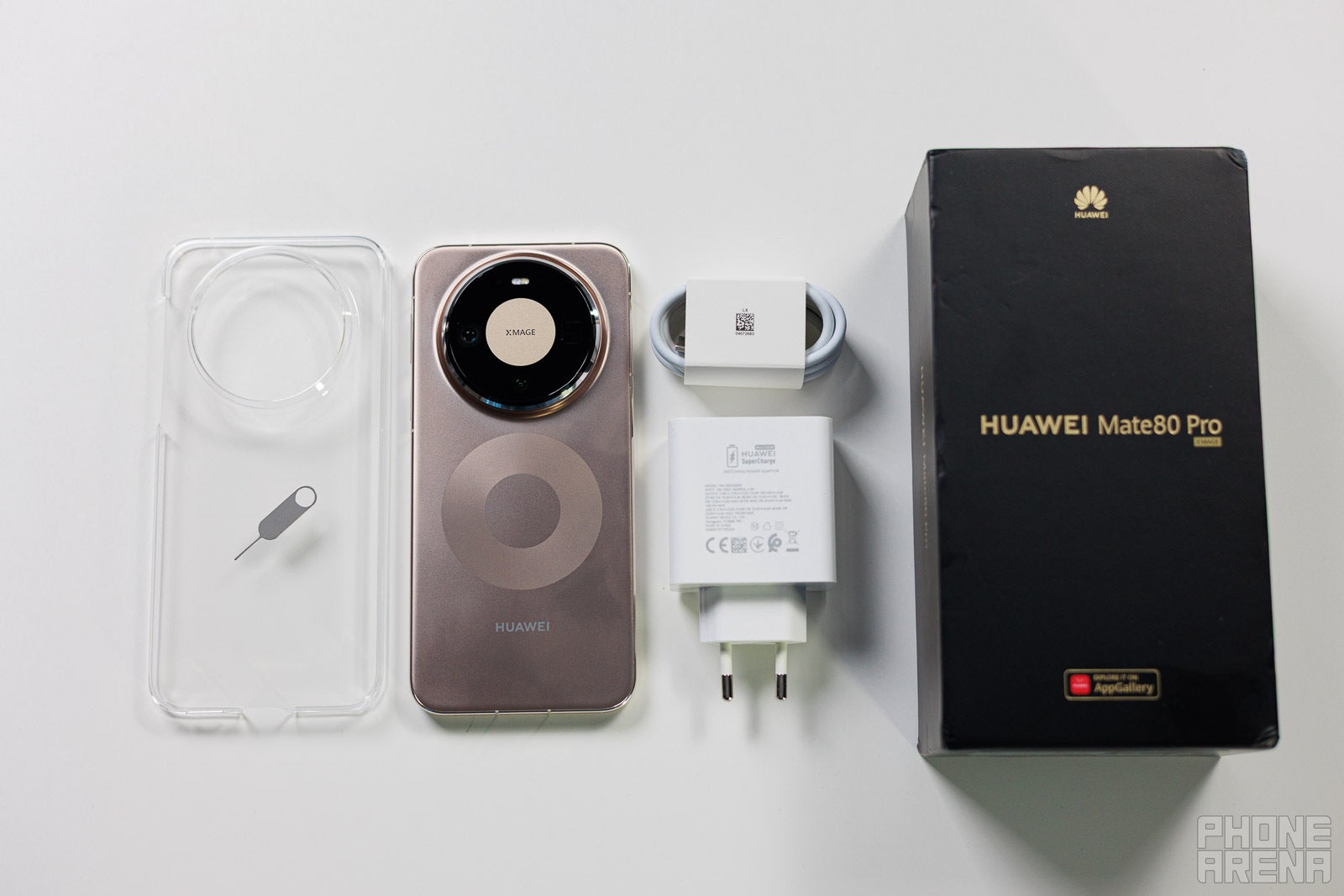
The retail box is quite robust by modern smartphone standards. Inside you’ll find the phone, a transparent silicon case, a 100W charging brick (nice!), and a USB-C cable. The phone also comes with a preinstalled screen protector, so you don’t need to buy anything extra, and you can start using the Mate 80 Pro right away.
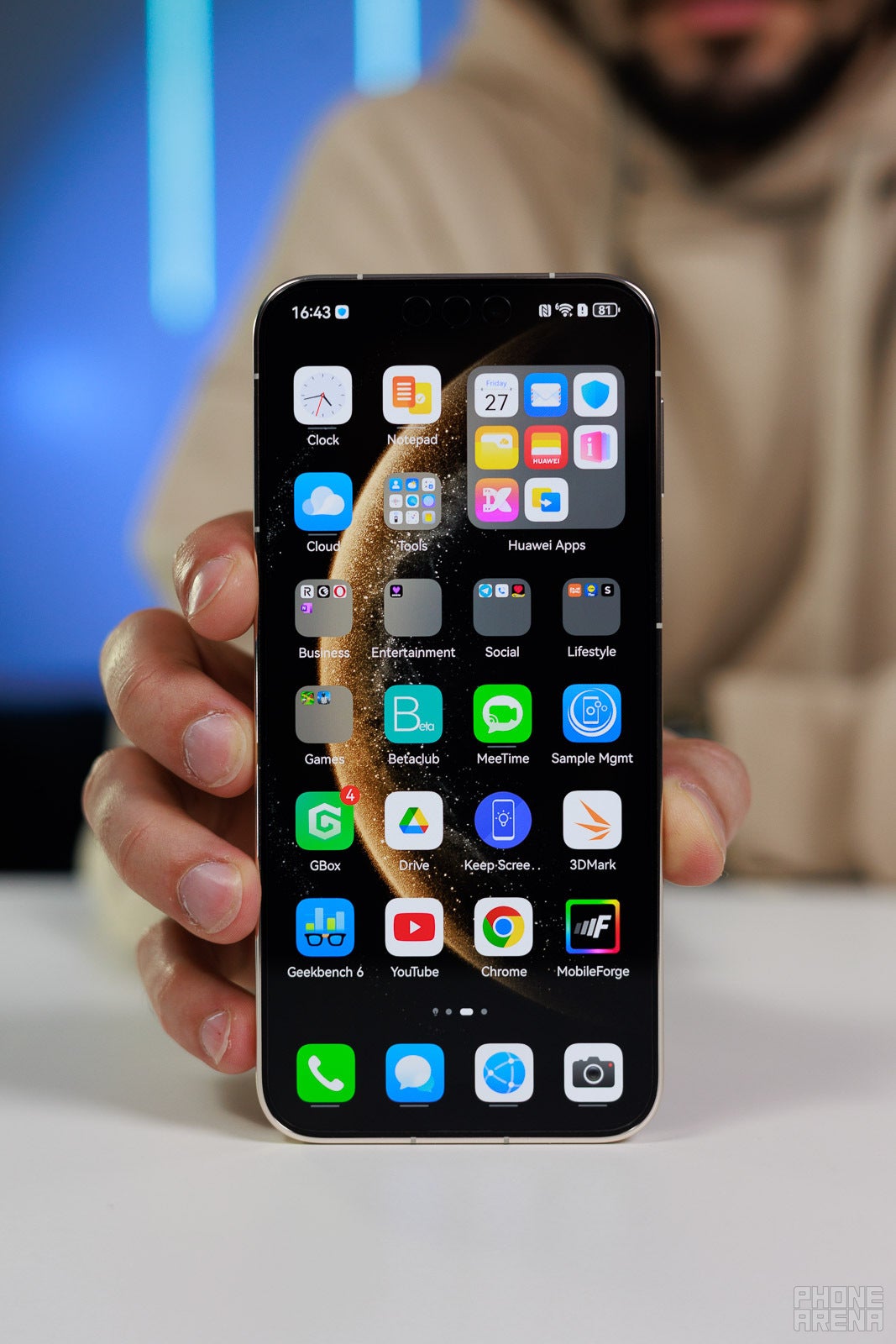
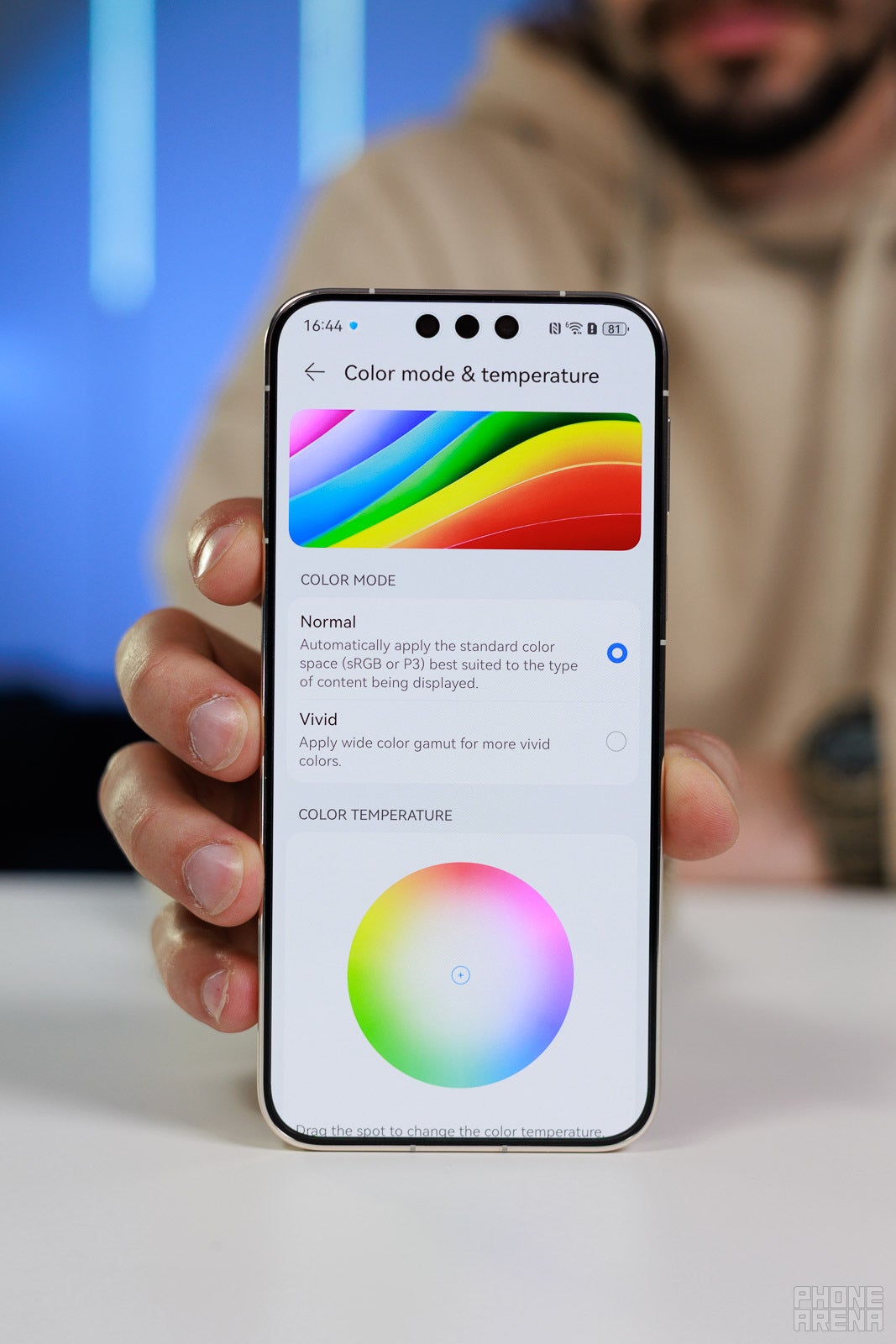
Smartphone display technology has come a long way, and today’s flagships all sport amazing screens. The Mate 80 Pro is no exception. The 6.75-inch AMOLED panel on this phone looks stunning. It sports a 1280 x 2832 pixels resolution, resulting in around 460 PPI pixel density, and it’s an LTPO panel as well, with a dynamic refresh rate up to 120 Hz.
Colors are vivid, the image is crisp and the phone stays bright under direct sunlight. Let’s see how it performs in our display test.
In terms of biometrics, Huawei is the only brand that offers something similar to Apple’s Face ID. The ToF 3D sensor scans your face in depth and grants a pretty strong level of security. Strangely enough, there’s a side-mounted capacitive fingerprint scanner, and even though it’s fast and reliable, I was surprised with the omission of an under-display ultrasonic one, which is the flagship standard nowadays.
Huawei Mate 80 Pro Camera
Up there with the big guys
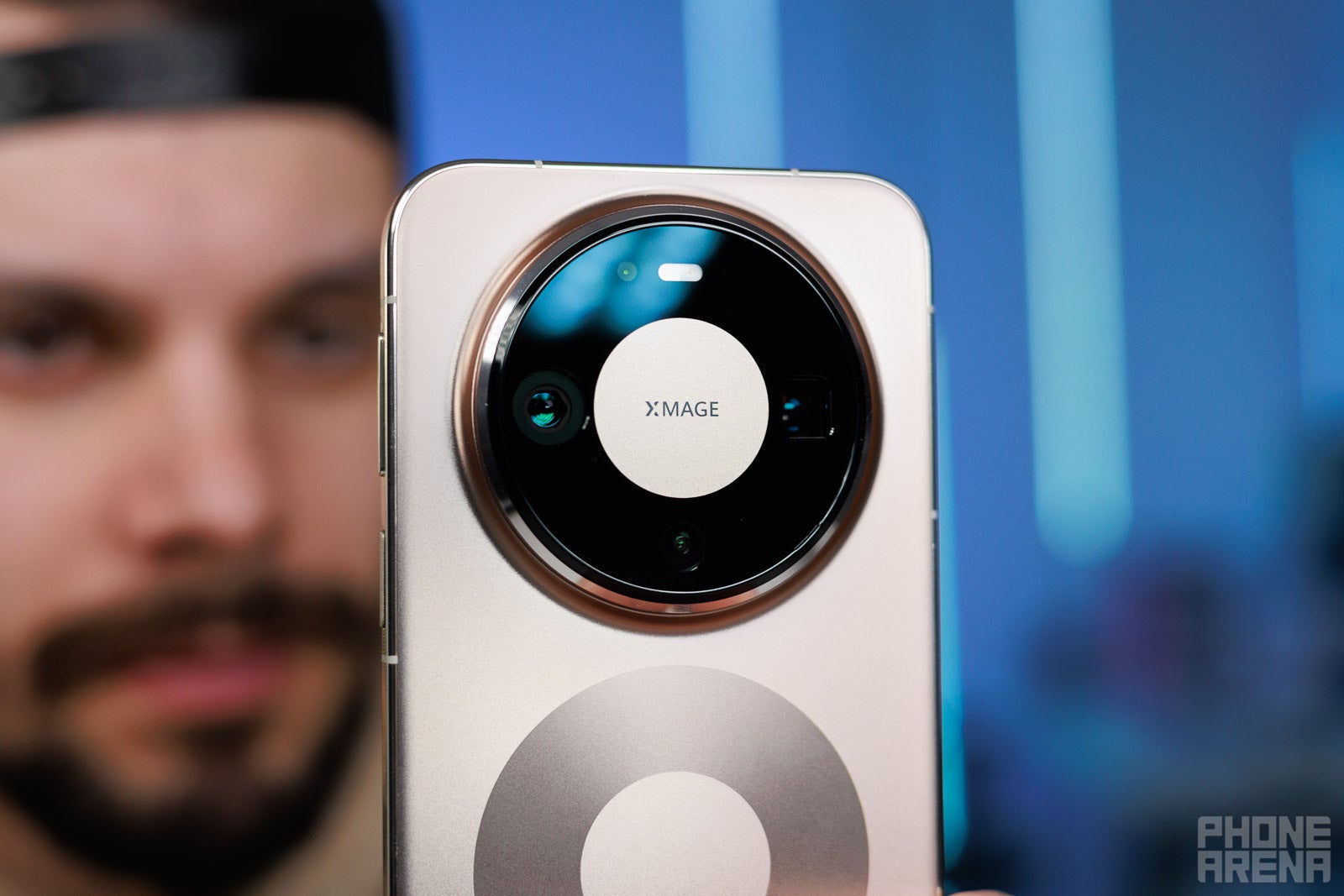
The camera system on the Huawei Mate 80 Pro is the same as last year, but that’s not a bad thing. There’s a big 50MP main camera sensor of undisclosed brand and size (I suspect it’s the same 1-inch sensor as the one inside the Pura 80 Ultra) with a variable F/1.4-4.0 aperture.
The 50MP periscope telephoto is present as well, sporting 4x optical zoom and a focal length equivalent of 93 mm. Finally, there’s a 40 MP, 13 mm ultrawide snapper with an aperture of F/2.2. Time for samples!
The ultrawide samples are pretty decent as well, comparable to the ones from the main camera. Thanks to the big pixel count, the details are there, and the exposure and dynamic range are also pretty good for an ultrawide.
When it comes to the zoom shots, at native 4x magnification, the samples look good, sharp, and without loss of detail. At 10x, algorithms start to kick in, and you get a mixed bag — some photos are pretty decent, while others display a lot of smoothening and processing.
Selfies are pretty good as well, you have the option to take a wider shot and make room for your buddies in the frame. There’s a slight difference in skin color and overall tonality between the wide and ultrawide selfies, though.
Video Quality

The video recording caps at 4K, but on the other hand, the results at that resolution are very good. There are no artifacts, tearing, pixels freezing or jumping in the frame, and the colors are quite good once again, accurate and not overly saturated. You can switch between cameras while recording, zoom in and out, and the image stabilization is quite good as well.
Huawei Mate 80 Pro Performance & Benchmarks
A blast from the past
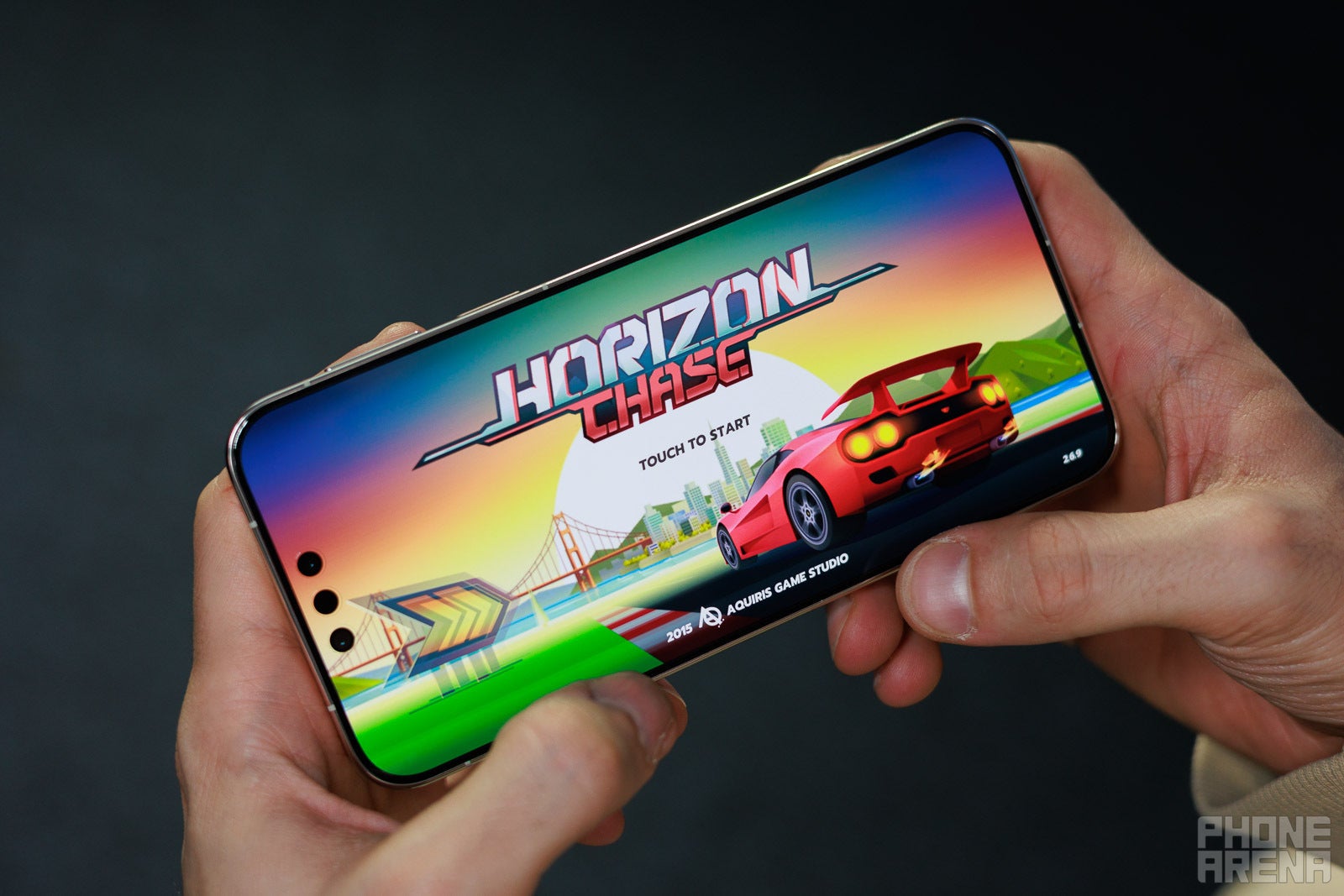
The Mate 80 Pro comes equipped with a Kirin 9030 chipset. It’s built on a 6nm node, and lags behind the top silicon on the market, at least when it comes to benchmarks. It’s a consequence of the US sanctions and quite unfortunate for fans of the brand.
However, synthetic tests don’t always paint the full picture and reflect real-life performance. The Mate 80 Pro works smoothly and flawlessly in day-to-day use, there’s no lag, stutter or anything short of flagship performance.
CPU Performance Benchmarks:
GPU Performance
Nevertheless, the scores are not on par with modern flagship standards, and if you want to brag in front of your friends with Geekbench or 3D Mark scores, the Mate 80 Pro is not the right phone for the task. It’s also worth noting that the sustained performance in heavy 3D tasks drops significantly and the phone heats up.
In terms of RAM and storage, the Mate 80 Pro is available in several different configurations: from 256GB and 12GB RAM, all the way up to 1TB and 16GB RAM.
Huawei Mate 80 Pro Software
The global version of the Mate 80 Pro comes running EMUI 15 out of the box. It’s an Android based OS with a pretty skin on top. In contrast, Chinese versions of Huawei phones run Harmony OS.
The interface is quite polished and familiar. Of course, you won’t find Google Mobile Services on board, but you can always use the web versions of the apps, or find alternative ways to get the apps running.
In terms of AI, there are advances on that particular front. The Mate 80 Pro has a working AI agent called Celia, and it can also extract object from pictures (Google Search-like), translate text, and give you information about objects using the camera (AI Lens).
In terms of software updates, the situation is a bit vague. On its site Huawei states that the Mate 80 Pro comes with lifetime software support, but that doesn’t mean much, as new EMUI versions don’t come every year.
The small text reads: Covers all software-related issues such as app downloads, software bugs, and updates. So, if Huawei decides to rollout a new version of EMUI, I guess the Mate 80 Pro is getting it.
Huawei Mate 80 Pro Battery
Hi-silicon performer
Even though Huawei doesn’t specify the type of the battery inside the Mate 80 Pro, I’m pretty sure it has some silicon in the anode. The capacity is 5,750 mAh, pretty good given the slim and compact body of the phone.
In terms of real-life performance, you can get two days out of the Mate 80 Pro easily, the longevity is great.
PhoneArena Battery Test Results:
Our battery benchmark confirms my observations – the Mate 80 Pro ranks 3rd among phones tested in the past 2 years, even though the top two rival phones have massive 7,300 and 7,500 mAh batteries respectively.
Which goes to show that the phone is pretty efficient, especially when it comes to browsing, with a score of almost 24 hours. YouTube streaming is also very solid at 17 hours, but the gaming score is a bit low, understandable given the Kirin 9030 inside.
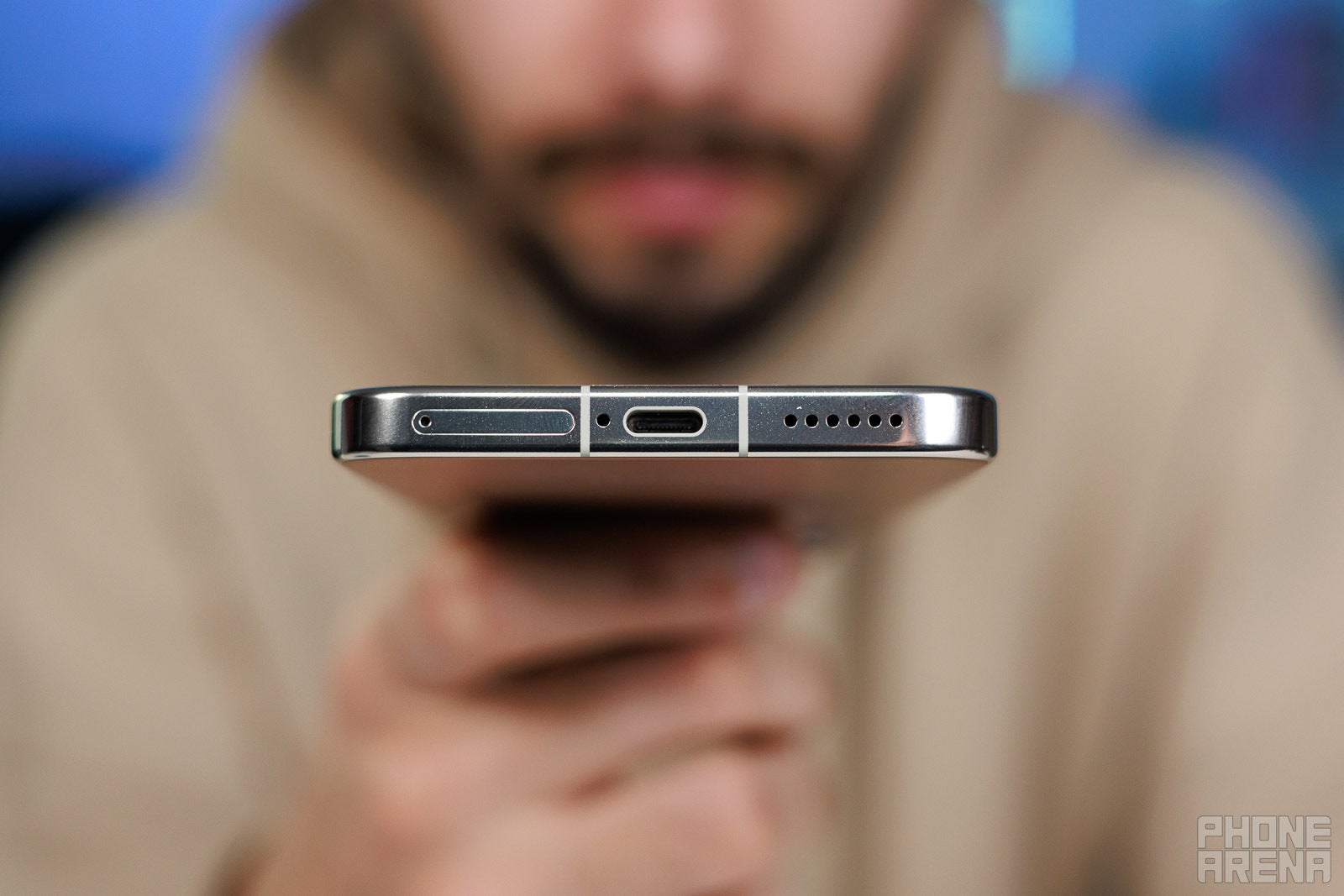
Huawei managed to find physical space for wireless charging coils inside the Mate 80 Pro, despite the big battery. The phone charges with the included 100W wired charger in about an hour, but you will need a proprietary 80W wireless charging system to take full advantage of the wireless charging speeds.
Huawei Mate 80 Pro Audio Quality and Haptics
The Mate 80 Pro uses a stereo system with a bottom-firing loudspeaker and the earpiece as a second speaker. The sound quality is surprisingly good, the sound is rich and detailed, there’s plenty of bass and there’s no distortion even at max volume. Speaking of volume, the phone can also get pretty loud and overall, the sound system is pretty impressive.
The haptics are also good – strong and precise. It’s worth noting that I couldn’t find a way to tweak the strength or timing, so you’re stuck with just one setting. No 3.5 mm audio jack, but that’s now the new smartphone reality.
Should you buy it?
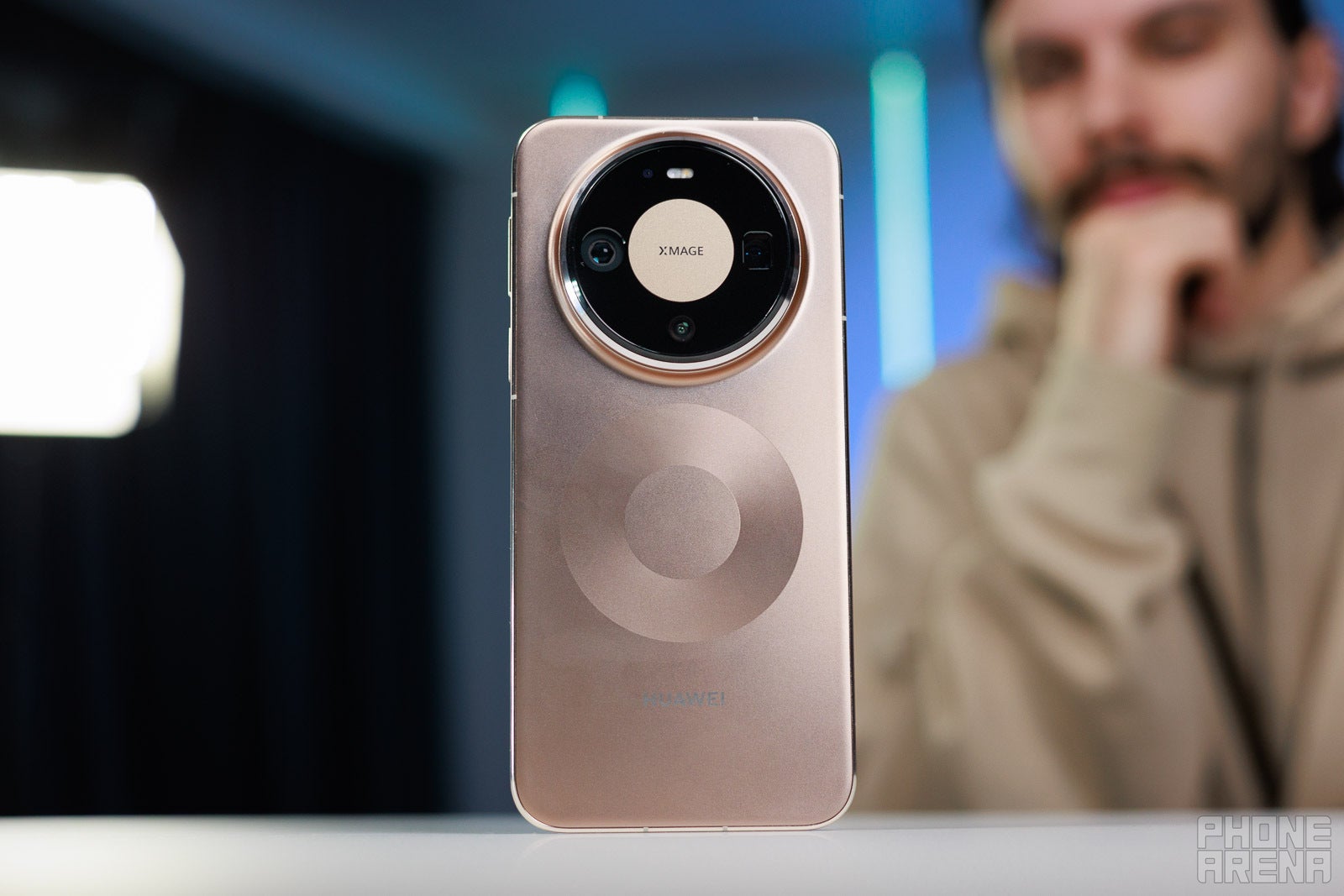
The more appropriate question is, “Could you buy it?” The phone is a decent full-fledged flagship with a great screen, good camera system, stellar battery life and last but not least – attractive design. Granted, the Kirin 9030 is far from the industry leaders when it comes to synthetic benchmarks, but the phone performs flawlessly in normal day-to-day activities.
The phone starts at around $1000 (depending on the country and the conversion rate) but getting it in Europe or North America can be a tall order. Despite the great flagship package, the Mate 80 Pro remains a peculiarity in most regions of the world.