
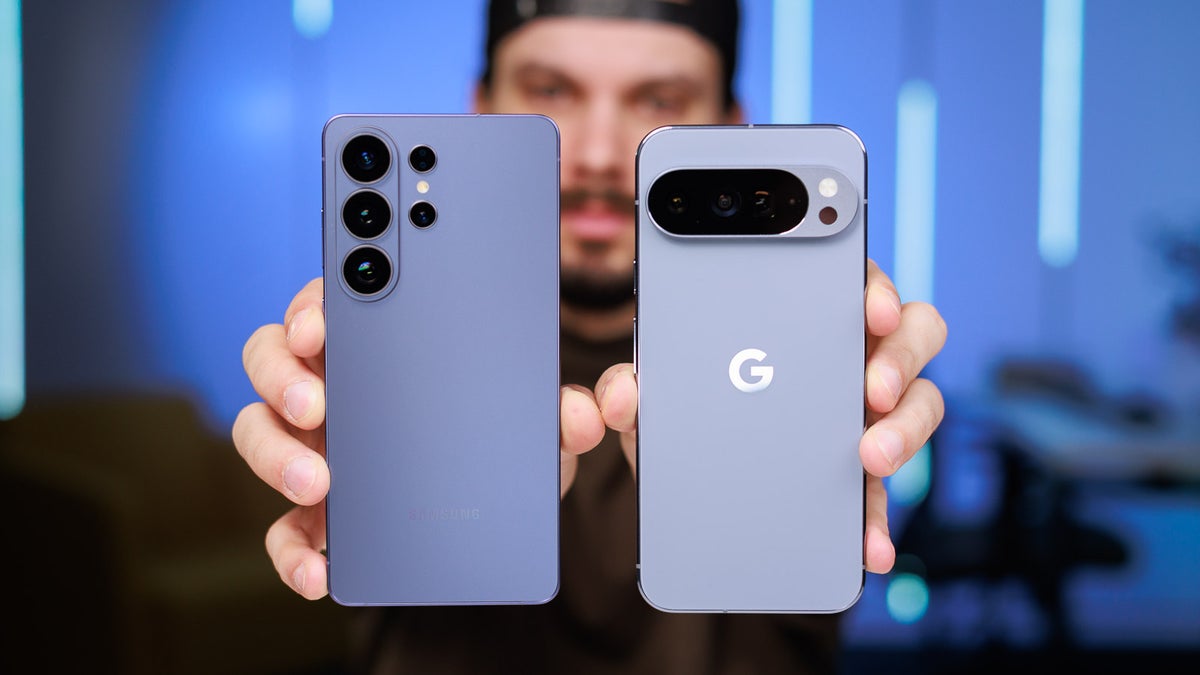
At the moment, the Pixel 10 Pro XL serves as the natural rival to the Galaxy S26 Ultra, but can it survive the arrival of the Galaxy flagship, and will it be able to mount up an adequate opposition?
Samsung Galaxy S26 Ultra vs Pixel 10 Pro XL differences:
| Galaxy S26 Ultra | Pixel 10 Pro XL |
|---|---|
| Design | |
| Continuation of the Galaxy S25 Ultra design, but utilizing an aluminum frame | The same aluminum design as the Pixel 9 Pro XL |
| Thinner at 7.9 mm | Slightly thicker at 8.5 mm |
| S Pen on board | No stylus |
| Display | |
| 6.9-inch Dynamic AMOLED 2X | 6.8-inch OLED |
| A jump to 2,600 nits of peak brightness | 3,300 nits of peak brightness |
| Anti-reflective coating | No anti-glare coating |
| Privacy Display feature | No Privacy Display feature |
| Gorilla Glass Armor | Gorilla Glass Victus 2 |
| Performance | |
| Snapdragon 8 Gen 5, 3nm | Google Tensor G5, 3nm |
| 12 GB/256 GB, 12 GB/512 GB, 16 GB/1 TB versions | 16 GB RAM, 256 GB, 512 GB, 1 TB storage versions |
| Camera | |
| Quad camera (200MP + 10MP 3X + 50MP 5X + 50MP ultra) | Triple camera (50MP + 48MP ultra + 48MP 5X) |
| 12MP front | 42MP front |
| Battery | |
| Smaller 5,000 mAh battery (for the 6th year in a row) | Slightly larger 5,200 mAh battery |
| An upgrade from 45W to 60W wired charging | 45W wired charging, 25W Qi2 |
| No magnetic accessory support | Pixelsnap magnetic accessories |
Design and Size
Homage to the past
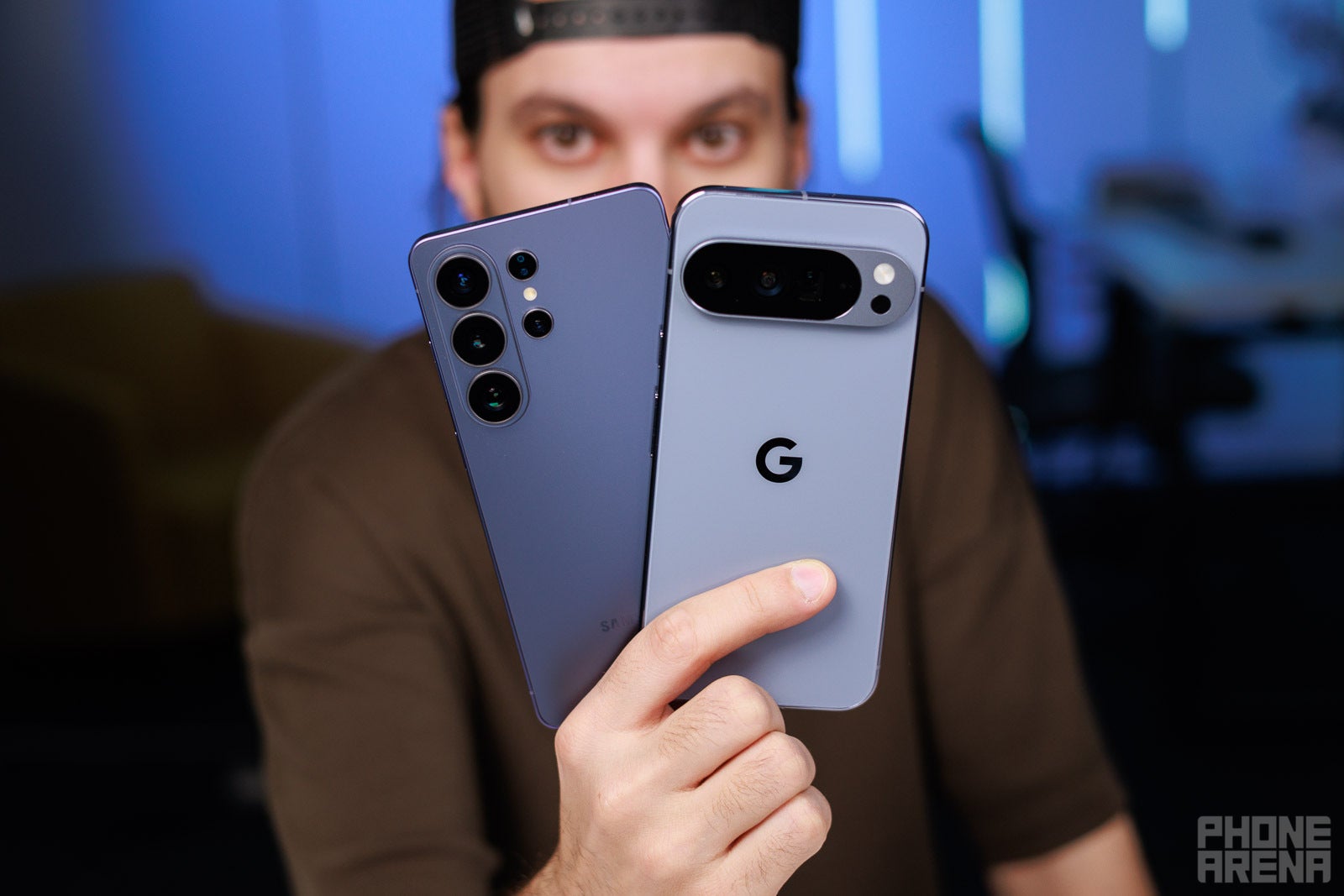
The Galaxy S26 Ultra and the Pixel 10 Pro XL are two of the best high-end Android phones available right now. | Image by PhoneArena
With the Galaxy S26 Ultra, Samsung is not redefining the design language at all. Instead, it once again reiterates the same design as the Galaxy S25 Ultra, with rounded corners at the bottom and no right angles, except for where the display meets the frame.
The only major change is the switch from titanium to aluminum, which is the same move that Apple pulled with its latest Pro iPhones. The Galaxy S26 Ultra is also sporting Gorilla Glass Armor at the front, which should offer better scratch and drop resistance.
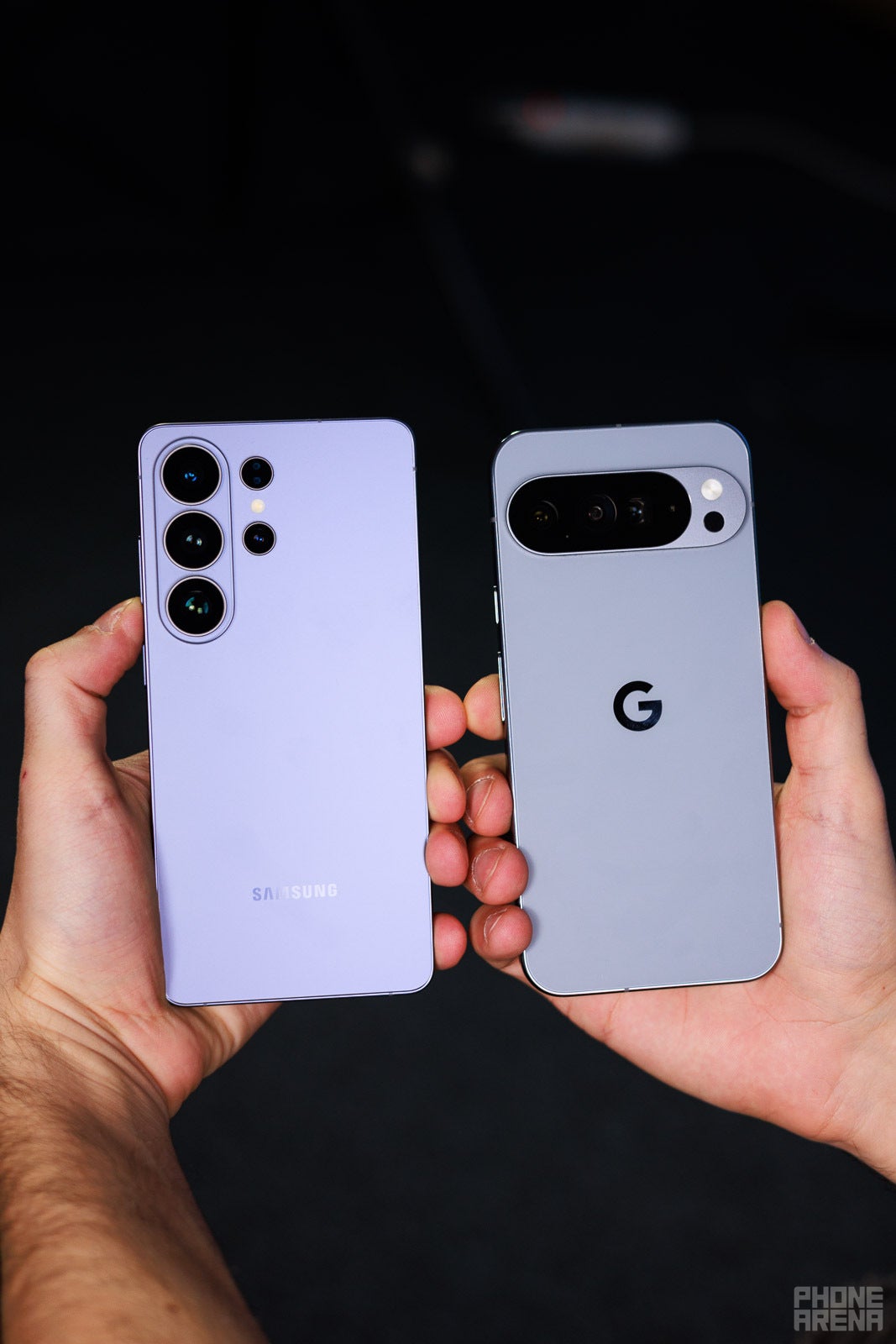
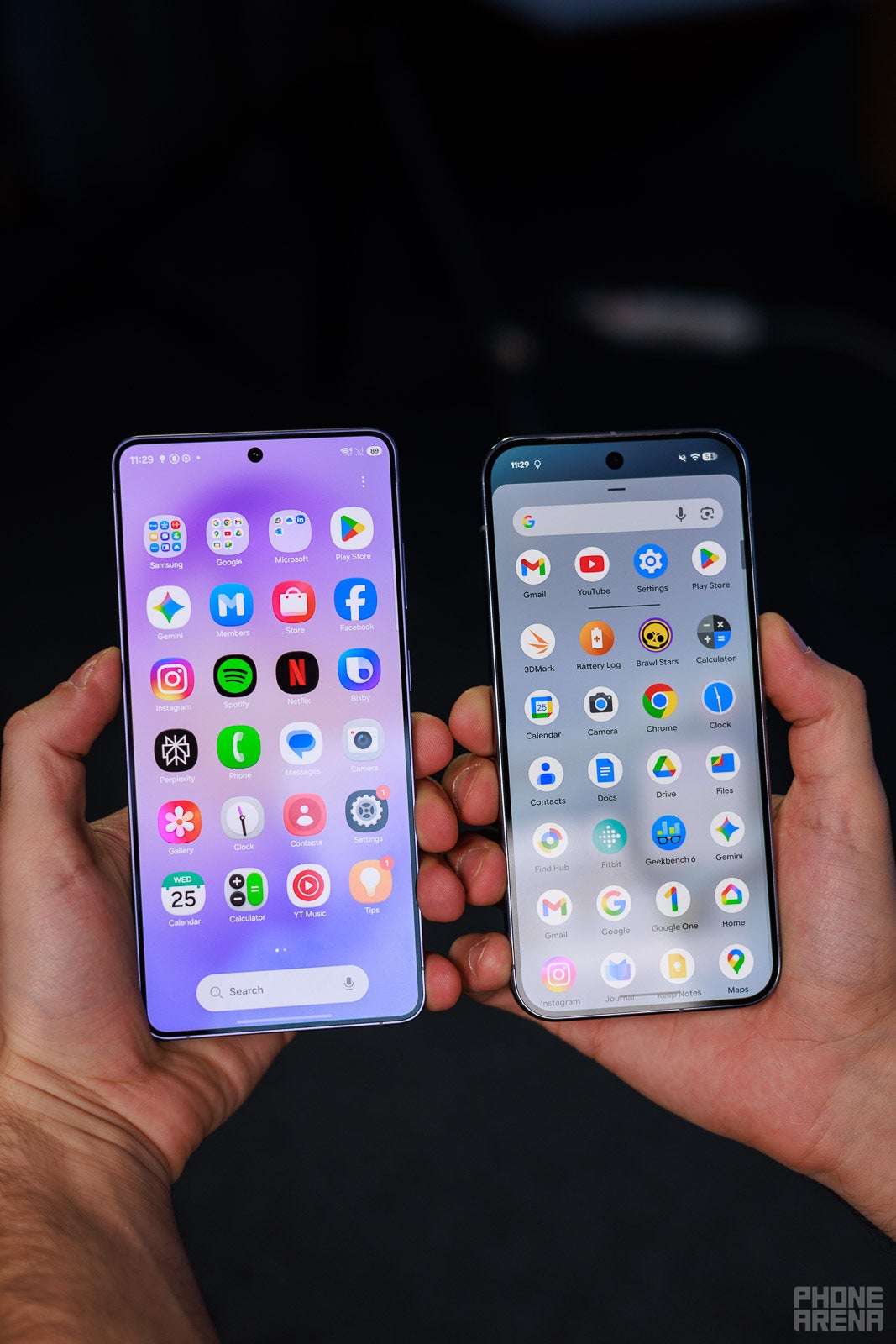
Image by PhoneArena
| Galaxy S26 Ultra | Pixel 10 Pro XL |
|---|---|
| Thickness 7.9 mm |
Thickness 8.5 mm |
| Dimensions 163.6 x 78.1 mm |
Dimensions 162.8 x 76.6 |
| Weight 214 g |
Weight 232 g |
The Google phone remains a classy offering available in Moonstone, Obsidian, Porcelain, and Jade colors. The Galaxy S26 Ultra comes in Cobalt Violet, Sky Blue, Black, and White, as well as Silver Shadow and Pink Gold, exclusively available on Samsung.com.
Display Differences
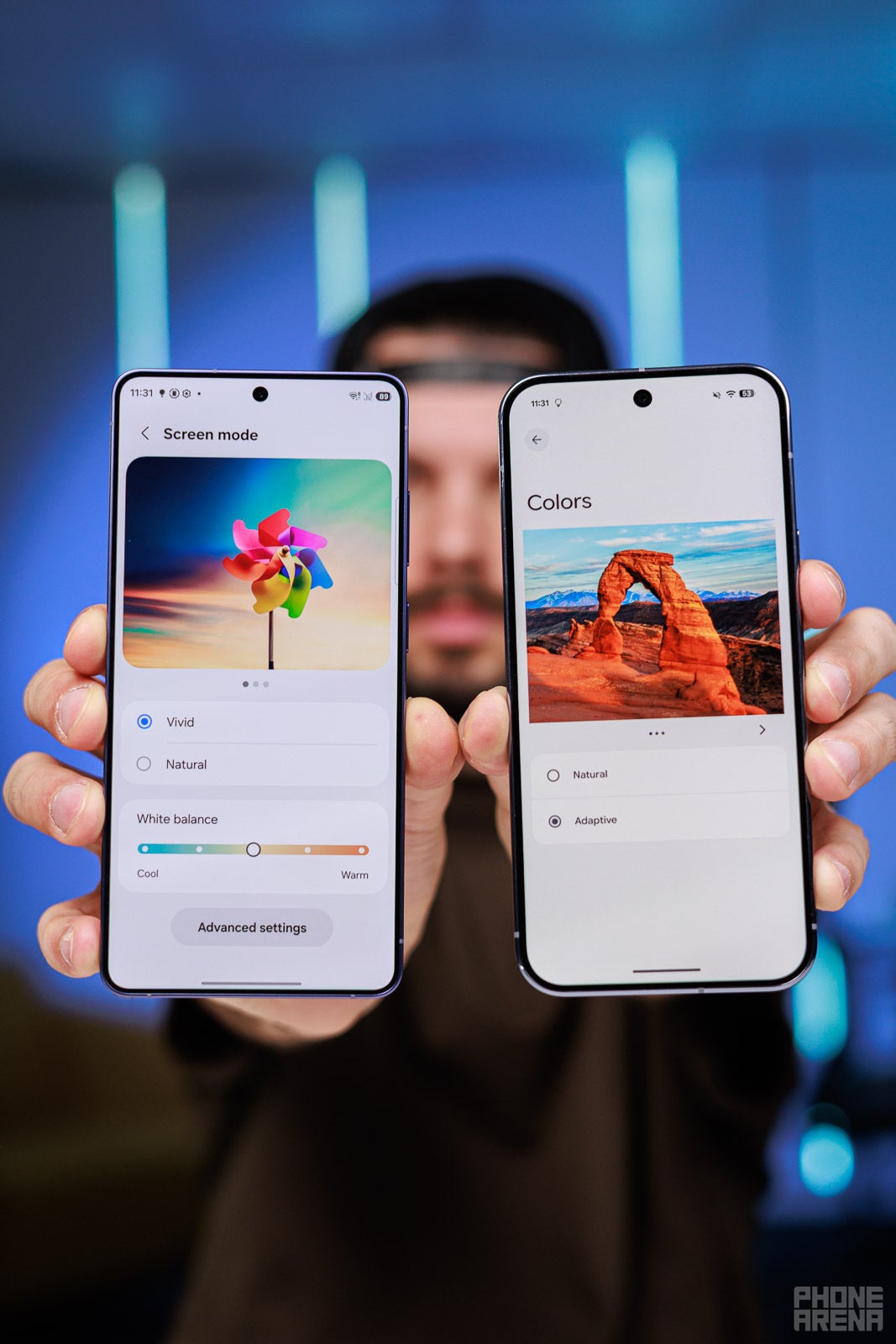
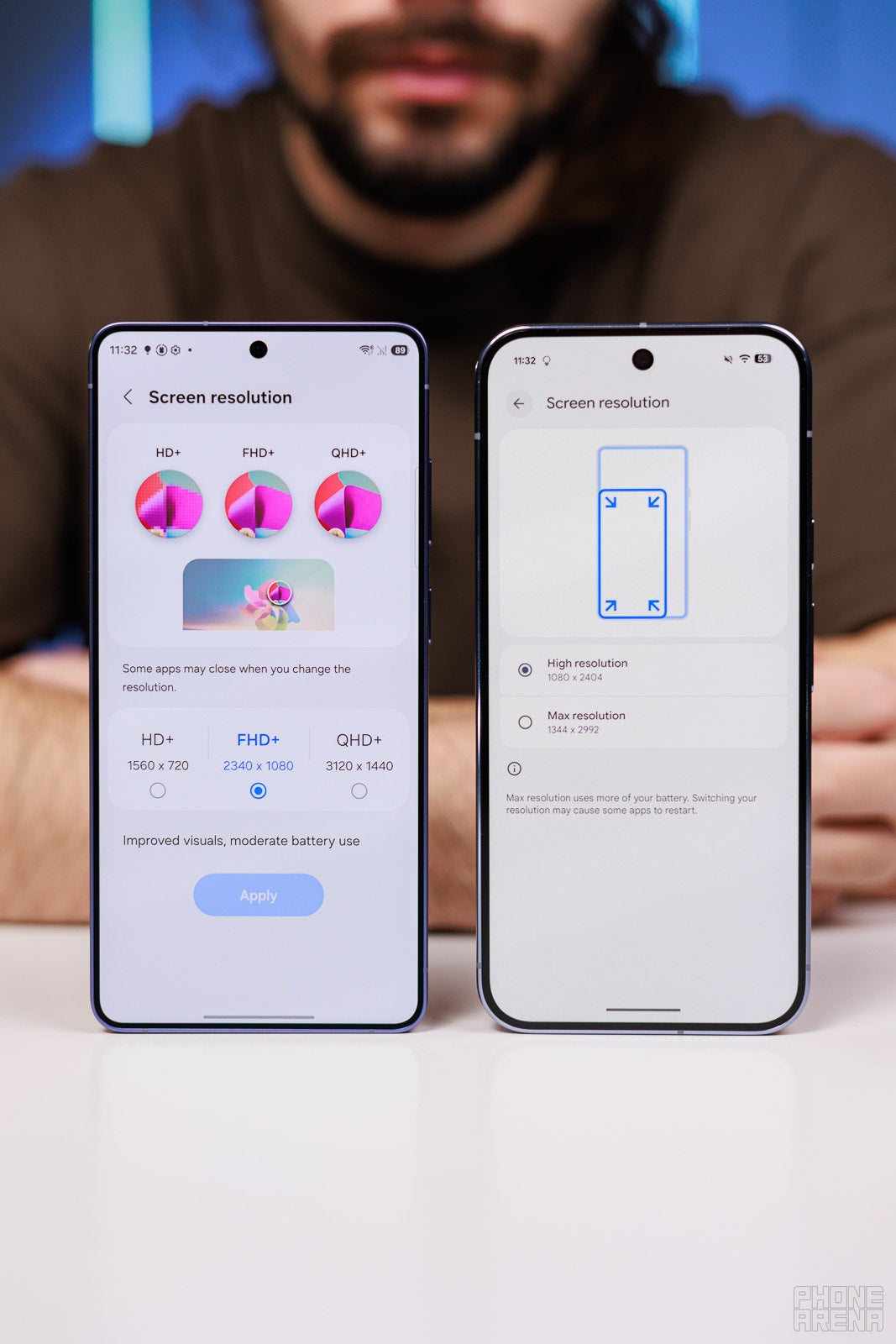
The Galaxy S26 Ultra has the same 6.9-inch display as the Galaxy S25 Ultra, a Dynamic AMOLED 2X one, with a smooth 1-120Hz refresh rate and HDR support. Sadly, we haven’t got a peak brightness increase here, and the phone maxes out at 2,600 nits of peak brightness. Samsung tries to offset that by giving us an anti-reflective screen coating for a third year in a row.
The hero feature of the Galaxy S26 Ultra is the new Privacy Display feature, which automatically controls viewing angles when you’re viewing sensitive information. For example, you can set the feature to only protect certain elements of the screen and only in certain scenarios.
The Pixel 10 Pro XL scores a slightly smaller 6.8-inch 1-120Hz OLED Super Actua display, but it is potentially slightly brighter, being officially rated at 3,300 nits. So while it may not provide the most screen real estate or offer stylus support, the phone will be the brighter one. That further boosts outdoor legibility.
| Galaxy S26 Ultra | Pixel 10 Pro XL |
|---|---|
| Size 6.9-inch |
Size 6.8-inch |
| Brightness 3000 nits (peak) |
Brightness 3300 nits (peak) |
| Refresh rate 1-120Hz |
Refresh rate 1-120Hz |
As already mentioned, the Galaxy S26 Ultra comes with Gorilla Glass Armor at the front, whereas the Pixel relies on Gorilla Glass Victus 2. Both should be plenty good when it comes to scratch and drop resistance.
Both the Galaxy S26 Ultra and the Pixel 10 Pro XL rely on ultrasonic fingerprint scanners, but you can enroll your face as a convenient unlock method as well. The difference here is that the Face Unlock on the Pixel 10 Pro XL can be used for authenticating payments.
Performance and Software
Two 3 nm chips, but don’t count on the Pixel for top perfomance
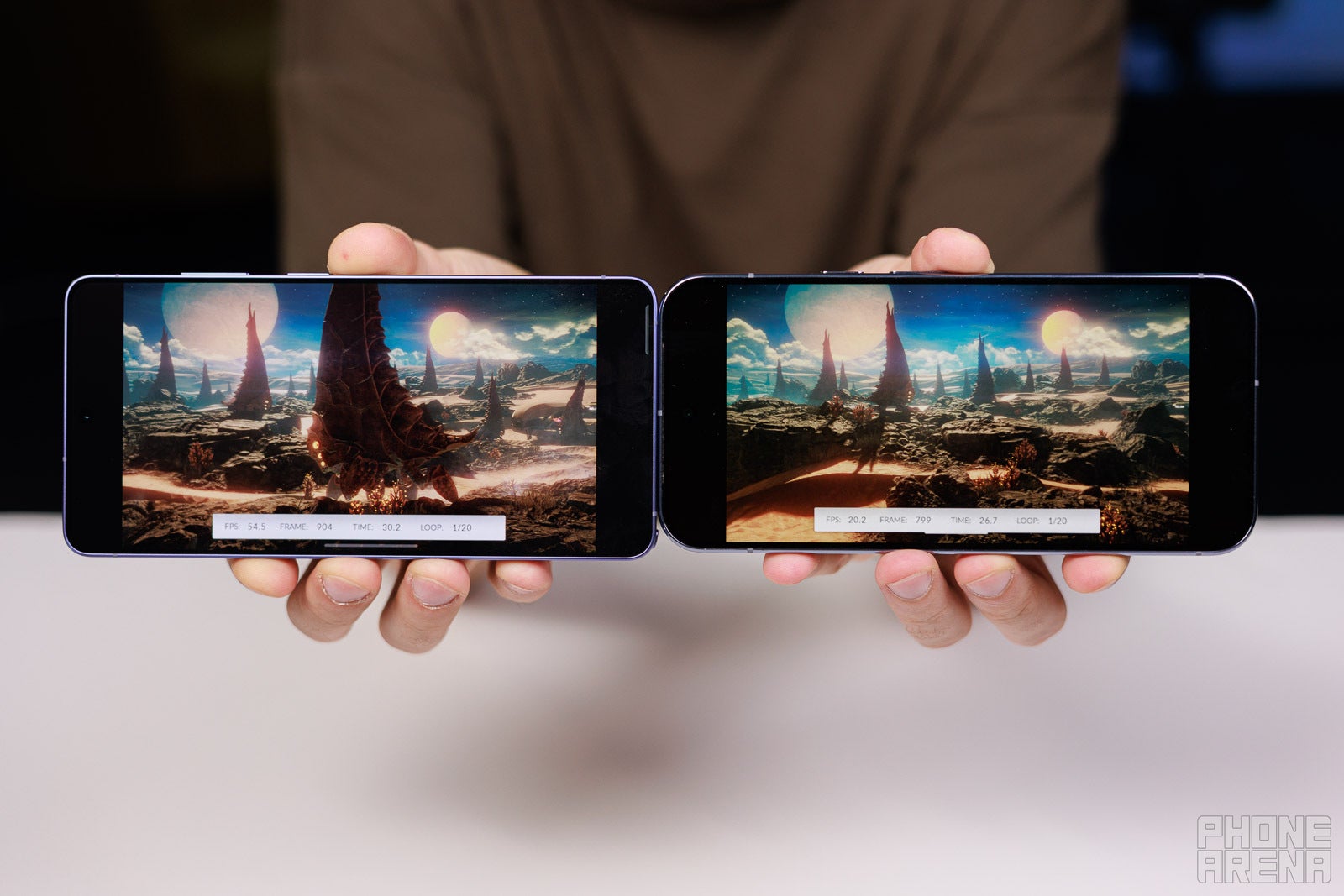
Snapdragon versus Tensor, a battle with a predestined ending. | Image by PhoneArena
The Galaxy S26 Ultra comes with a new thermal interface material and a redesigned vapor chamber that’s some 20% better at dissipating heat away from the chip. This enables the device to sustain its peak performance for longer before throttling.
The Pixel 10 Pro XL relies on the 3 nm Google Tensor G5 chipset, and it’s not only the first 3 nm Tensor, it’s also the first truly custom Google chipset that’s manufactured by TSMC. Previous Tensors were manufactured by Samsung and utilized elements of its Exynos chips. The Tensor G5 is different, but sadly this doesn’t mean it’s much faster than its predecessors.
| Galaxy S26 Ultra | Pixel 10 Pro XL |
|---|---|
| Chip Qualcomm Snapdragon 8 Elite Gen 5 |
Chip Google Tensor G5 |
| Process 3nm |
Process 3nm |
| RAM, Storage 12/256GB 12/512GB 12/1TB |
RAM, Storage 16/256GB 16/512GB 16/1TB |
And to absolutely no surprise, the Tensor G5 fails to mount up any significant pressure to the tuned-up Snapdragon 8 Elite Gen 5 for Galaxy chip. It’s beaten in both the single- and multi-core Geekbench 6 tests, and quite easily at that.
CPU Performance Benchmarks:
The same applies to the 3DMark Extreme stress test, where the Pixel is also beaten. To be honest, I didn’t expect anything else, so it’s pretty much par for the course when it comes to the Tensor chip and synthetic benchmarks.
The Galaxy S26 Ultra comes with 12 GB of RAM, which is a lowly figure for a high-end Android flagship in early 2026. The standard is closer to 16 GB RAM these days, and the Pixel 10 Pro XL is equipped with exactly that much. To get 16 GB of RAM on the Galaxy S26 Ultra, one has to get the 1 TB version, which is the most expensive one around.
The base version of both phones starts at 256 GB of storage, but you can get either one with either 512 GB or 1 TB of available storage on board.
First, the software scores a new floating app bar at the bottom, which should improve the readability. Next up, One UI 8.5 now offers even more customization options and lets you personalize the Quick Settings panel even more by reordering and removing existing controls.
If you set a picture of a person or a pet as your lock screen wallpaper, the layout will automatically move around so that neither the clock nor the widgets obscure key parts of the image. There are a few extra customization options for the lock screen clock, too.
Galaxy AI has been upgraded with continuous image generation, which lets you generate several images without stopping and pick from the ones you want afterward.
Call Screening is another new feature that will let Galaxy AI answer calls for you and see who’s calling and for what reason. You will be provided with a transcript and only then decide if you want to answer the call.
Bixby can now understand you better when you talk to the assistant in your own words. This lets you use it to find specific settings or features without having to sift through numerous menus. It now has an easy way of accessing your conversation history with Bixby.
The Galaxy S26 now comes with an AI-powered screenshot analyzer, which will automatically sort your screenshots into one of eight categories. You can then find these screenshots by simply searching for said category.
The Weather app has scored a more detailed new widget that will showcase a graph of any upcoming precipitation that is expected. Your daily alarms can also show the current weather as a background when they ring, which is a neat quality-of-life upgrade.
Samsung has also enhanced the battery info menu, making it easier to check the remaining battery life left, the battery usage, as well as your charging status. There are also two power-saving modes now: Standard, which is more temperate, and Maximum, which disables all non-essential features to boost battery life.
Camera
Minor upgrades
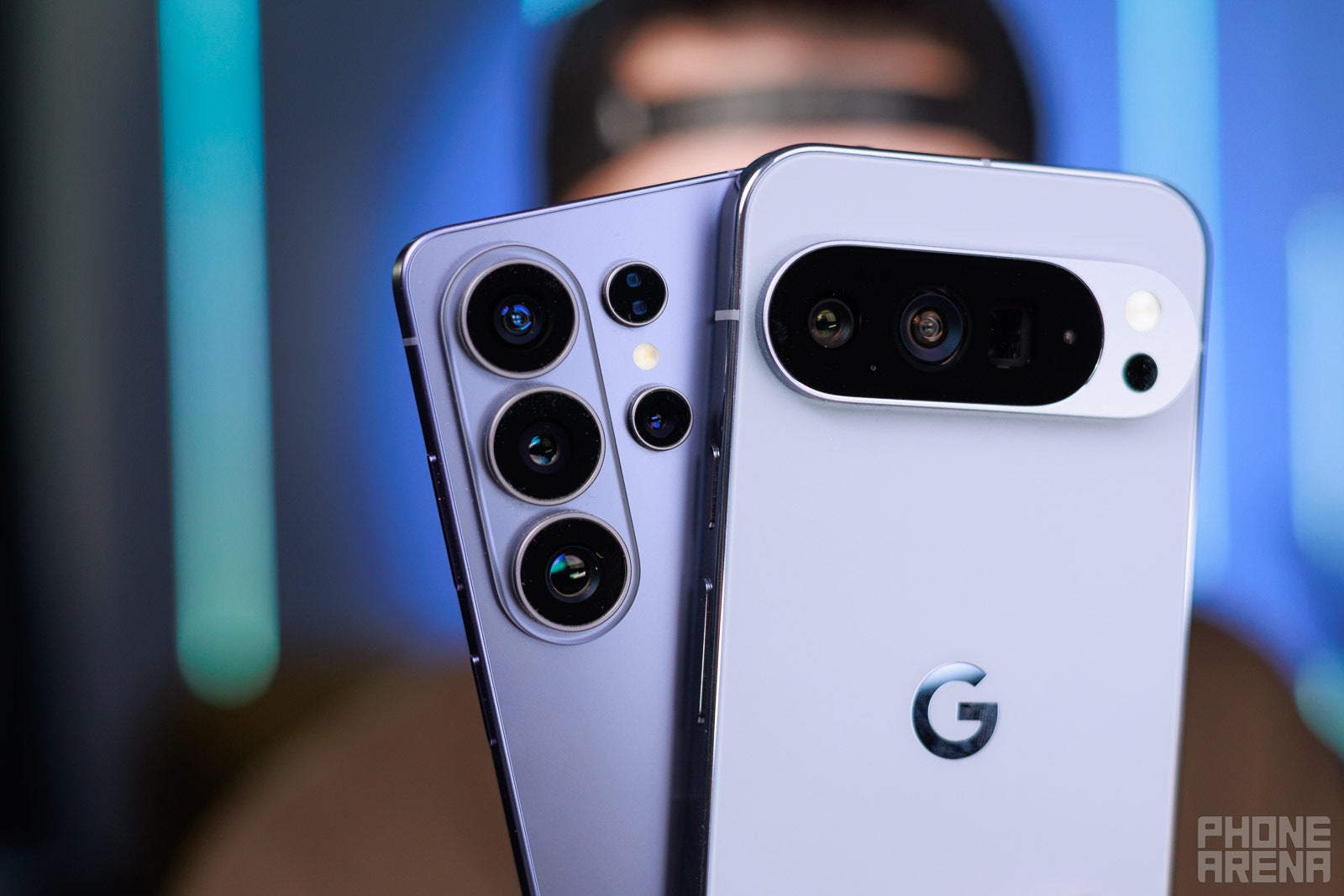
Quad camera versus a triple camera, can you guess which one’s better? | Image by PhoneArena
Samsung retains the very same camera setup as on the Galaxy S25 Ultra, with a quad-camera utilizing dual telephoto cameras and a large 200 MP main camera. The short telephoto is a 10 MP 3X one, while the longer zoom is a 50 MP 5X periscope. The camera setup is completed by a 50 MP ultrawide.
The camera now comes with better image-processing and brighter apertures; letting more light in the camera is always welcome! There are also improvements to video stabilization: the phone uses real-time gyro and accelerometer data to keep horizons level and deliver smooth videos. The Galaxy S26 Ultra is also the first Galaxy to support the APV (Advanced Professional Video) format.
| Galaxy S26 Ultra | Pixel 10 Pro XL |
|---|---|
| Main 200 MP, f/1.4 24 mm 1/1.1″ sensor |
Main 50 MP, f/1.68 24 mm |
| Ultrawide 50 MP, f/1.9 |
Ultrawide 48 MP, f/1.7 13 mm |
| Telephoto 10 MP, f/2.4 3X zoom (67 mm) |
Telephoto 48 MP, f/2.8 5X zoom (113 mm), 100X Pro Res Zoom |
| Periscope 50MP, f/2.9 5X zoom (111 mm) |
Battery Life and Charging
Samsung is seriously lagging
For yet another year in a row, Samsung will be using a 5,000 mAh battery on its Ultra flagship. That was great back in 2020, but that was more than half a decade ago, and the onslaught of carbon-silicon batteries in recent years means that Samsung’s new flagship is seriously lagging. Even Apple has surpassed Samsung with the 5,088 mAh battery inside the iPhone 17 Pro Max.
The Pixel 10 Pro XL is one of those rivals that have already beaten the Galaxy S26 Ultra in terms of battery capacity. The phone comes with a 5,200 mAh battery, the largest on any Pixel so far. Cool!
| Galaxy S26 Ultra | Pixel 10 Pro XL |
|---|---|
| Battery size 5,000 mAh |
Battery size 5,200 mAh |
|
Charging speeds 25 W wireless charging No magnetic attachments |
Charging speeds 45 W wired 25 W wireless charging Pixelsnap |
An area in which the Galaxy S26 Ultra has scored an upgrade is the charging. Samsung has put 60W wired charging support on the Galaxy S26 Ultra (up from the 45W on the previous models), which is a great upgrade to have.
Sadly, Samsung hasn’t implemented the full scope of the Qi2 standard, so it comes with no magnetic attachment functionality on the back.
The Pixel 10 Pro XL comes with 45W wired and 25W wireless charging. It supports Qi2 and introduced its Pixelsnap system for magnetic accessory attachment, which is compatible with MagSafe.
Specs Comparison
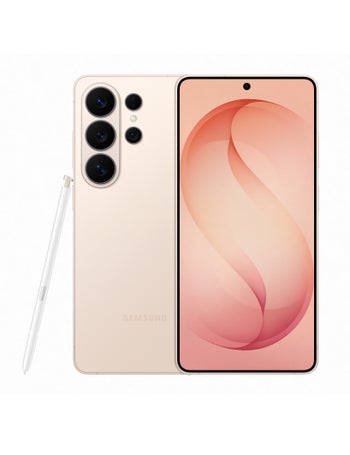
|
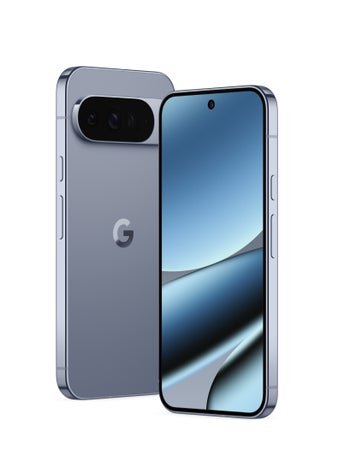
|
| Samsung Galaxy S26 Ultra | Google Pixel 10 Pro XL |
| Dimensions | |
|---|---|
| 163.6 x 78.1 x 7.9 mm (~10 mm with camera bump) | 162.8 x 76.6 x 8.5 mm |
| Weight | |
| 214.0 g | 232.0 g |
| Size | |
|---|---|
| 6.9-inch | 6.8-inch |
| Type | |
| Dynamic AMOLED, 120Hz | OLED, 120Hz |
| System chip | |
|---|---|
| Snapdragon 8 Elite Gen 5 SM8850-AC (3 nm) | Google Tensor G5 (3 nm) |
| Memory | |
| 12GB (LPDDR5X)/256GB (UFS 4.0) 12GB/512GB 16GB/1024GB |
16GB (LPDDR5X)/256GB (UFS 3.1) 16GB/512GB 16GB/1TB |
| Type | |
|---|---|
| 5000 mAh | 5200 mAh |
| Charge speed | |
| Wired: 45.0W Wireless: 15.0W |
Wired: 45.0W Wireless: 25.0W |
| Main camera | |
|---|---|
| 200 MP (OIS, PDAF) Sensor name: Samsung ISOCELL HP2 Aperture size: F1.4 Focal length: 23 mm Sensor size: 1/1.3″ Pixel size: 0.6 μm |
50 MP (OIS, PDAF) Aperture size: F1.7 Focal length: 25 mm Sensor size: 1/1.3″ Pixel size: 1.2 μm |
| Second camera | |
| 50 MP (Ultra-wide, PDAF) Sensor name: Samsung JN3 Aperture size: F1.9 Sensor size: 1/2.5″ Pixel size: 0.7 μm |
48 MP (Ultra-wide) Aperture size: F1.7 Sensor size: 1/2.55″ |
| Third camera | |
| 10 MP (Telephoto, OIS, PDAF) Sensor name: Sony IMX754 Optical zoom: 3.0x Aperture size: F2.4 Sensor size: 1/3.94″ Pixel size: 1.12 μm |
48 MP (Telephoto, OIS, PDAF) Optical zoom: 5.0x Aperture size: F2.8 Focal Length: 113 mm Sensor size: 1/2.55″ |
| Fourth camera | |
| 50 MP (Telephoto, Periscope, OIS, PDAF) Sensor name: Sony IMX854 Optical zoom: 5.0x Aperture size: F2.9 Focal Length: 115 mm Sensor size: 1/2.52″ Pixel size: 0.7 μm |
|
| Front | |
| 12 MP (PDAF, HDR) | 42 MP |
Samsung Galaxy S26 Ultra vs Google Pixel 10 Pro XL specs comparison
or compare them to other phones using our
Phone Comparison tool
Also read:
Summary
The Galaxy S26 Ultra doesn’t aim to change what worked well for the Galaxy S25 Ultra. Instead, the goal here is to improve many of the key areas, like display, performance, camera, and charging speeds.
That’s fine, and while we’d have loved a larger battery inside, the new phone shapes up to be a good upgrade target for users of the Galaxy S22 Ultra and older devices, which are nearing the end of their shelf life.
The same applies to the Pixel 10 Pro XL, which is a continuation rather than an evolution over the Pixel 9 Pro XL. Google doesn’t like making stark moves, so the gap between the Pixel 9 Pro XL and the Pixel 10 Pro XL is pretty much what we should brace for in the coming years.
Either way, both will be among the best top Android flagships you’d be able to get in the US in early 2026, with the Pixel having the benefit of already being on the shelves.